Sunday, September 16, 2007

Festa del Barolo – September - A Celebration of Wine & Culture

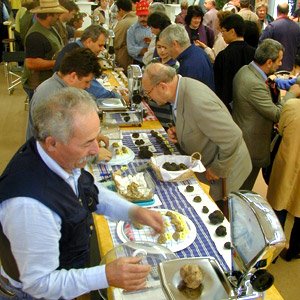
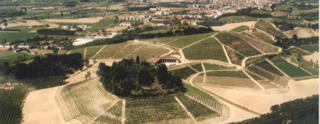
In the land of the king of wines a two day celebration of flavors has just concluded. Every year during in the first 15 days of September the town of Barolo holds its annual festival. Lover’s of food and wine alike wait, with anticipation, for one of the most antique town festivals of the Langhe. The Festa del Barolo is not just about wine. It is an occasion to experience the traditions and culture that go into the production of the king of wines.


The city of Barolo has organized the festival as a guided tour. The trip begins with an exhibition of local artists. The cultural exposure lasts just about an hour. There is time for caffe and cornetti before beginning the full immersion tour of the culinary delights of the Langhe. The hour long visit to the artist’s booths is one of the few occasions to meet a wide range of local artists.


Barolo is known for wine and Piemonte is known for its exquisite dishes. At one time this was the home to kings. The traditional recipes are a unique experience for the refined palate. The food and wine tour begins at 10:30. A visit to each of the local producers offers new flavors:


Salumi d'anatra (seasoned and cured duck meats), coppa and filet al Barolo
Appetizers of Piemonte, Eggplant wraps with tuna and capers, crostone con crema ghiotta
Veal, lard spiked with honey, Cured and cooked fresh Salami al Barolo
Agnolotti with a red meat sauce
Sapori umbri di Spello
Fried Mushrooms
Extra Virgin Olive Oil from Imperia
Parisian snails and snail fritatta
Stuffed Bell Peppers filled with Mushrooms, Salami and cheeses
Tinche di Ceresole in carpione
Risotto al Barolo
Ravioli Butter and Sage
The latest release of Barolo DOCG
Castelmagno, Bra, Valle Sacra, Caprino Dolce, Herb Pecorino
Margaro, Murazzano, Rashera and Sejrass del Fen cheeses.

These are just a few of the delights. Some of the after dinner digestive dishes are:

Cheese and Honey, Grape Mostarda, Wine Jello
Nebbiolo Grappa Sorbet
Chocolate covered Peaches
Barolo di Barolo
Barolo Chinato offered with various selections of chocolate

Two days does not seem to be long enough to get through this smorgasbord of luxurious treats.

The month of September is a great time to visit Piemonte. The new wines are in the vats and with the cooler temperatures the food is more satisfying. The Festa di Barolo is one event not to miss. Perhaps a longer vacation could include Barolo and Barbaresco to then culminate in the Fiera del Tartufo in Alba!

Tags:

Labels: , , , ,

Read the Full Story...

Wednesday, September 12, 2007

Piemonte is Wine, Castles, and great Food – Hotel Castello di Sinio

Piemonte has it all; great wines, extravagant culinary compositions, cheeses, tartufo and culture. Usually you will have to visit at least a couple of different locations to get the full immersion in true Italian life. In the land of Nebbiolo, Barolo, Barbaresco and Barbera you can find it all together at the Hotel Castello di Sinio. Hotel Castello di Sinio is a renovated Medieval Castle nestled in the hills of the Langhe.

The XII century castle maintains the allure of times past while offering modern amenities. The hotel has 18 rooms furnished with epic furniture. The floor to ceiling stonewalls and heavy chestnut beams create an atmosphere of opulence and protection. Beds are all extra large with double mattresses and are fitted with down comforters, one for spring and one for winter. All rooms have large private bathrooms with spacious glass shower stalls, beautiful stone tiles and completely modern fixtures and electricity. You will find we have the most up to date conveniences such as individual room heating and air-conditioning, satellite TV, direct dial telephones, Internet & fax to make your stay ultra comfortable and hassle free.

The restaurant provides traditional regional cuisine with the flair of a King’s court. Denise and Jay, the restaurant owners and chefs, open from Thursday through Sunday. Denise tells of their passion:

“Our menu selections tend to be limited but are always prepared with the finest ingredients we can find. While the fare is very, very traditionally Piemontese it almost always holds some surprises of less well known recipes or combinations that have been inspired from research and always based on precedence. From ancient Piemontese rural recipes that we love resurrecting to hidden mountain valley traditions to the cuisine of nobility that comes straight from the royal court of the House of Savoy (the long time rulers of Piedmont), we strive to add a memorable dimension to your Piemontese enogastronomic experience.”
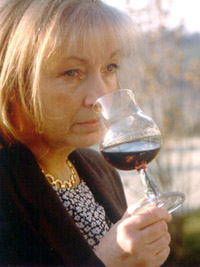
The wine cellar includes some of the best wines in the world. Interestingly the hotel has brought in Wine Specialist and Author KERIN O'KEEFE. Once a month she takes hotel guests to the major vineyards and producers in the area. Hotel Castello di Sinio is located right in the heart of the Barolo and Barbaresco wine producing areas. The area is home to about 750 wineries that produce 2 of the 10 most important wines in the world. The Castle is located within 5 to 10 minutes of all the major Barolo producers and within about 20 minutes of all the major Barbaresco producers.

The Hotel Castle di Sinio is the perfect destination to live and learn the Piemontese lifestyle. It is a great base. Within a few minutes by car there are 100s of marvelous unknown restaurants and 100s of wineries. Cultural events like the symphony and opera are just a few minutes away in Alessandria. The views of the hills of the Langhe are truly unique. It is a great place to hide from the world and rejuvenate the soul with great food and wine.

Hotel Castello di Sinio
Vicolo del Castello 1
12050 Sinio (CN)
Piedmont, Italy
Telephone: 0173.263.889

ags:

Labels: , , , , ,

Read the Full Story...

Wednesday, August 22, 2007

A week in the Langhe - a Fantasy Vacation in a Monastery

Some of the greatest wines in the world are produced in Piemonte. The Langhe could be considered the heart of the Piemontese wine industry. We are not just talking about Nebbiolo, Barolo, Barbaresco and Barbera. We are also talking about Roero Arneis. Historically the local cuisine is elaborate and complex. The Langhe was the favorite vacation destinations for the Kings in Turin. This brought the best chefs and winemakers to this small area in Piemonte. Numerous small castles and monasteries are found in this area. They are smaller than the palaces in Turin or Alessandria but are still castles with 3 foot wide walls fabricated with hand cut and fitted stone.

Monasteries are very similar to castles. They may have been filled with monks but they are formidable fortresses with limited access routes, internal water and food sources and dominating tactical positions making them easy to defend. These characteristics also give them marvelous views and a wonderful ambiance. These hidden gems are a unique opportunity for a once in a lifetime experience of culture, food and wine.

A recent article showcased a neat agriturismo in Alba. The Relais San Maurizio Hotel of the Monastery S. Stefano Belbo is the opposite end of the vacation experience. The XV century monastery was recently restructured. The renovation maintained the original structure and façade. The cellars cleaned but left amazingly authentic. Every little corner of this hotel holds something interesting from the river stone walls to the arched brick ceiling of the wine tasting room. Ceilings are hand painted murals with support beams intricately carved images and decorated in gold leaf.

The services are also at the top end of luxury. The hotel offers complete spa facilities as well as conference rooms and high-speed Internet access. The restaurant prepares regional dishes with gnocchi, tartufo, stewed meats, wild game, elaborate sauces and wonderful cheeses. The wines of Piemonte are all available to compliment these marvelous culinary creations. Gaja, Giacosa, Ceretto, Produttori del Barbaresco, Giuseppe Cortesi and many others are always available.

This hotel is in a great position geographically. It is located just south of hills of Monferrato (Turin), north of Genova, east of Cuneo, and a hop skip and a jump from Asti. More information about this hotel is available at:

Relais San Maurizio - Hotel del Monastero
Località San Maurizio, 39
Italy - 12058 S.Stefano Belbo (CN)

Tel.: + 39 0141 841900
Fax. +39 0141 843833

e-mail: info@relaissanmaurizio.it

Tags:


Labels: , ,

Read the Full Story...

Wednesday, July 25, 2007

Gattinara 2001 Travaglini – A great Nebbiolo at a reasonable price

I am embarrassed. I found Gattinara 2001 Travaglini at a small wine tradeshow here in Dallas. It is a marvelous wine. I do not pretend to know all of the Italian wines. Most likely I have tasted only about 10%, in twenty years, of the wines produced in Italy. Puglia wines have never been my “thing” and Sicilian wines have just recently become worth drinking. The problem is that Gattinara is just a hop skip and a jump away from the area where I spent most of my time. It is more disconcerting that Gattinara 2001 Travaglini is a great wine and that I had never tasted it. How could I have missed this jewel?

The vineyards are located in the foothills of the Alps with Mont Rose in plain site. The mineral composition, thus the complexity of flavors in the wine, of the land is a result of erosion of the Alps that occurred 150 million years ago when the glacier melted. The area is beautiful and the climate rather extreme with the wind rolling off the Alps in the wintertime.

Travaglini has been making wines since the 1950s. The winery has remained in the father through the generational transition and the quality has become better with each year. The wines of Travaglini this year received accolades from both Italian and US associations as one of the top 100 wines of the year.

Gattinara 2001 is 100% Nebbiolo. The color is penetrating and the perfume decisive. I was amazed after tasting the wine to find it in the medium price range. It has a good body without heavy tannins. This would be a great wine for savory foods like wild game, red meats, roasts and aged cheeses. This is a wine worth trying. I am glad I found it and will add it to my cellar.

Grape: 100% Nebbiolo

Color: Deep ruby red with garnet highlights

Bouquet: Aromas of red fruit, blackberry, plum and licorice with hints of vanilla and leather

Flavor: Full-bodied, with intense flavors of cherry, raspberry and spice culminating in a long and smooth finish

Alcohol: 13%

Serving Temperature: 16-18 c.

Glass: Balloon or wide rimmed red wine glass.

Aging: up to 15 years

Tags:

Labels: , , , ,

Read the Full Story...

Saturday, July 14, 2007

Agriturismo Villa la Favorita –Alba – Wine, honey, and Cucina Piemontese

Piedmont is a great fall and winter vacation destination. The Italian Alps just a short drive away, some of the best wines in the world concentrated in a small area, honey farms on most every hill and some of the most refined Italian cuisine with wild game, hearty roasts and sauces, tartufo and cheeses that will knock your socks off. If that were not enough there is an agriturismo, located about one mile from the city center of Alba, that offers all of this in one place. Agriturismo Villa la Favorita is a little known agriturismo on the road to Cherasco.

The primary residence was built in the early 900s and recently restructured to permit guest. The agriturismo is located on 10,000 mt2. Most of the land is planted with fruit trees and grapevines. This is the land of Nebbiolo. Villa la Favorita produces Nebbiolo d’Alba and Grignolino Piemonte. This is a family owned and operated agriturismo. Signora Roberta greets her guests with a wonderful and comforting smile. A quick tour around the kitchen and common areas and it is off to your room, one of only six, with a view of ancient Alba.

The day’s activities start with a luxurious breakfast of fresh fruits, obviously from the farm, warm breads and other local sweets. While you are enjoying your coffee on the lemon grove terrace you can plan a trip to the winery, a daytrip to Barbaresco or Barolo, a day in the vineyards, a visit to the honey production facilities, or rent bikes or scooters to check out Alba. How about a day with Sally? Sally is a truffle dog. Most of the year she is a playful companion but from September to December she will accompany you in search of the best truffles in the world.

Be sure your plans include returning to the Agriturismo by early evening. Villa la Favorita offers cooking classes for groups of 4 to 8 people. The recipes are traditional Piemontese and will be your dinner accompanied by the agriturismo’s wine. If this were not enough you are just a hop, skip and jump away from Barbaresco and Barolo.

Villa la Favorita is a great little place made better by the presence and passion of the owner. It is an opportunity to immerse yourself in the culture of Alba and enjoy the balance of the land, the food, the wine and obviously the new friends you will make.

Tags:


Labels: , , , , ,

Read the Full Story...

Thursday, June 28, 2007

Dolcetto d’Alba Enzo Boglietti 2005

We stopped by friends just for a quick hello and the rains came. Flash floods are common here in Dallas when it does rain so we decided to drink a glass of wine while we waited for the bad weather to pass. We usually will drink a Pinot Grigio as an aperitif but the section of the cellar cuddling our bottles of white was unusually barren. Al delved into the cellar, emerging with a bottle of red. His choice was perfect, a young Dolcetto d’Alba by Enzo Boglietti from 2005. Traditionally we reserve red wines for dinner but a young Dolcetto d’Alba could be mistaken for a new wine.

I found Dolcetto d’Alba Enzo Boglietti 2005 to be fresh and a bit fruity. It was surprisingly smooth with a pronounced flavor of Bing Cherries. A young red will often have an underlying acidity, a characteristic pleasingly absent. A year in the cellar should allow this wine to mellow and become a fantastic dinner wine. Young, as it is, Dolcetto d’Alba Enzo Boglietti 2005 will be perfect with fish recipes without cream sauces, white meats and grilled vegetables. We broke out some dark chocolate. Without a doubt this combination was right on target.

I always look for other’s reviews when writing about a wine. Village Corner wrote this review in January.

"WT012407-14. 05 DOLCETTO D’ALBA, ENZO BOGLIETTI - (ITALY) Sweet and polished fruit, dense, ripe, plummy. Ample oak. Warm spices. Ambitious./ Again, plentiful oak. Black currant and black cherry fruit flavors. Great acidity. Zesty, flaired style of the varietal. Ripe and racy, with a lively edge. Very assertive and penetrating. A classy presentation with varietal faithfulness and fine oak extras. 16.3+. "

I do not agree with the wide range of adjectives and did not find either the acidity or complexity they indicate but we both agree that this is a fantastic little wine to keep in the cellar. It can hold many positions. It can be an aperitif for those who do not drink whites, a red wine with fish or white meats and age elegantly for a couple of years for more savory dinners.

Grape: Dolcetto d’Alba.

Color: Intense ruby red.

Bouquet: Young and fruity.

Flavor: Bing Cherries with a hint of tannins.

Alcohol: 13.5%.

Serving Temperature: 16-18 c.

Aging: 2 to 3 years maximum.


Tags:


Labels: , ,

Read the Full Story...

Monday, March 19, 2007

Tagliatelle with Pesto and Crawfish

My cooking buddies from Louisiana will be up in arms about this one. Crawfish contained in traditional Italian cooking?

“Mon Cher, have you lost your mind?”

Italian Crawfish are cousins of the version so prevalent in the Southern United States. Unfortunately they are more susceptible to sickness from environmental changes. They are a protected species in all of Europe. Fortunately there is an abundance of Chinese and American Crawfish available, saving these delicate recipes from disappearing altogether. Crawfish are widely used in Friuli and Tuscany while this recipe is from southern Piedmont.

It is a perfect dish for the spring and summer. The pesto lends a savory balance to the light spring flavor of the crawfish. Appropriate wines: are Gaja Langhe Sauvignon Alteni di Brassica, Ceretto Blange, Felluga Terre Alte and Schiopetto Collio Tocai Friulano.

Ingredients for 4 people:
400 grams (about 1 lb) Fresh Pasta Tagliatelle
200 grams (about 1 cup) Pesto sauce
20 Crawfish
1 cup Fish Broth
1 cup White Wine
1 Scallion
Olive Oil
Salt

Preparation:

Dice the scallion. In a large skillet, heat 2 tablespoons Olive over medium heat. Add the scallions, sauté for 1 minute. Add the Crawfish, turning every 30 seconds, sauté for 3 minutes. Be careful to not overcook. Set the skillet aside for later.

Remove the shells on the Crawfish tails to the second joint behind the head. Keep the Crawfish whole and set aside. Remove the tails on 12 of the Crawfish and reduce the meat to pulp.

Add the pulp to the skillet and bring the heat to low. Add the Fish Broth and wine to the scallions and Crawfish pulp. Simmer the sauce for 15 minutes.

Cook the pasta in abundant salted boiling water for 4 minutes (follow the directions if using dried pasta). Strain the pasta and place in a large serving bowl. Mix in the Pesto sauce.

Presentation:

Place the pasta with pesto on the plate. Decorate each plate with two Crawfish and serve hot.

Tags:

Labels: , , , , ,

Read the Full Story...

Sunday, February 11, 2007

Fiulot Barbera d’Asti 2004 Prunotto

I first learned to bottle wine in a family courtyard in Bellusco, a small town outside of Milan. Zio Beppe, as my kids called him, and I would spend Saturday and Sunday afternoons in late February and early March washing and cleaning thousands of bottles. Early February usually included trips to Alessandria, Alba and Asti to taste the local farmer’s wine. This wine was his own stuff not the grapes produced for sale and usually it was Barbera. Farmer’s Barbera is fruity with a pretty high acidity. Some farmers would age in barrels while others just produced a wine that their family liked. By the time the 12 or so 55 liter damagiane from 4 different vineyards arrived we had tasted 30-40 different farmer’s Barbera.

Many Italians asked how I knew so much about the culture of wine and where I had learned so much about the process. Zio Beppe was my mentor and my passion wine. It has been many years since I last spent time with Zio Beppe & Piera or Zia Luiga, the wonderful 86 year young lady who treated me as her son. Recently, my thoughts were brought back to those wonderful people by a bottle of wine.

A friend arrived at my door, bottle in hand, a Fiulot Barbera d’Asti by Prunotto 2004. He could not have known that Barbera is special and that I am extremely critical of Barbera. Mostly, I will no longer drink the commercial versions, for some reason they never stack up. It would have been rude not to drink this bottle of wine. A friend, bottle in hand, should never be shunned. Barbera is a fruity wine. This characteristic is accentuated in the farmer’s version. The acidity is also rather high, in line with the fruitiness. Thinking about these characteristics we prepare a Matriciana. The wine would go well with the tomato, pancetta and pepper.

The cork removed and the bottom of our glasses filled with a rich red color. The fruity base of Barbera was immediately evident but there was something subtle about this wine, hiding from our noses. The first sip revealed the secret, it was just a bit of tannins, enough to clean the mouth but not overbearing. This is not an austere wine, its basis is the fruity everyday table wine that is Barbera but the tannins give it an interesting plus. Fiulot Barbera d’Asti 2004 is a perfect fit in the cellar. One of those wines that works perfectly for a plate of Spaghetti or quick Risotto.

Grape: 100% Barbera, grown in the vineyards of Agliano d’Asti.

Color: Vivid Ruby Red.

Bouquet: Mature fruit. The immediate impression was young and vibrant.

Taste: Fruity, dominated by plums and cherries with a hint of tannins that cleans the mouth and balances the food. When consumed with food the flavor is a new experience with each sip, without food the fruitiness saturates the senses.

Alcohol Content: Minimum 13 %

Serving Temperature: 13-15 c.

Decanting: None.

Pouring: Pour slowly with a 15-20 degree inclination.

Glass: Red wine glass.

Aging: Not applicable.

Tags:

Labels: , , , , ,

Read the Full Story...

Friday, November 24, 2006

Zuppa di Cipolle – Onion Soup Valdostana Style

Gourmet foods and gourmet cooks, terms often misused to indicate someone who cooks elaborate dishes. In reality gourmet cooking is about understanding balance and consistency. Fresh ingredients put together in a way to compliment each other. Sometimes very delicate where your mind has to stop and think about what it is tasting. Other times explosions of flavor. In either case it is all about the balance. Traditional recipes, matured and refined over the centuries are the true expression of gourmet cooking. Their simplicity surprises us. We cannot believe that something so exquisite was so easy to prepare. The Zuppa di Cipolle Valdostana is one of these recipes.


Onion soup is an integral part of French Cuisine, in particular it is widely used in Paris. Onion soup casseroles are also found in numerous regional diets across the world, so it is easy to think that the Valdostana “seuppa de s’eignon” finds its origin elsewhere. However, there are various factors supporting the thesis that this is a homegrown recipe. A close look at the ingredients and the plants grown in home gardens during the first millennium AD leads to believe that the recipe grew out of available ingredients and necessity. Every garden had onions and a small amount of Fontina or Tome cheeses.

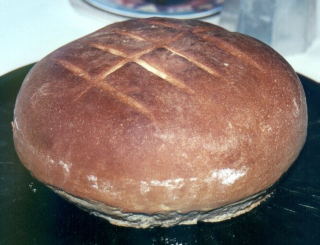
Further supporting evidence is that Valdostana bread was cooked only once a year in jointly owned, town ovens. The bread would then be consumed throughout the year but as the year progressed it would begin to get harder and harder. Now that is “day old” bread! Bread has always been a mainstay during hard times and when times were really hard it was the only form of nutrients available. Making a broth from an old bone to give it some flavor and throw in a few vegetables and you have substance and flavor. More importantly you went to bed with a full stomach, something not to be taken lightly when you are hungry.

Whether this gourmet soup, once a lifesaving meal, was born in Valle d’Aosta or somewhere else in the world is not important. It is marvelously flavorful, simple and nutritious.

Ingredients:

5 or 6 medium sized sweet onions
Tuscan or other home style loaf bread
1 ½ quart meat broth
½ lb (200 g) Fontina
½ stick unsalted, sweat cream butter
salt and pepper

Preparation:

Clean the onions. Slice them very thin and sauté with butter, over low heat in a heavy skillet. Add salt and pepper to taste. I prefer using fresh cracked pepper. I add the pepper to the butter before adding the onions. This will take about 40 minutes.

Slice the Tuscan bread about ½ inch thick.

In a high rimmed casserole pan, place a few slices of bread. Spread the ½ the onions on top of the bread. Place another piece of bread and cover again with the remaining onions, again sprinkling salt and pepper.

Top off with the Fontina cheese slices. Finally pour the broth into the casserole and fill to the top.

Pre-heat the oven to 400 degrees. Bake until the top is golden brown. This will take 15-20 minutes.

For white wine lovers accompany with a Sauvignon Bianco. For red wine lovers accompany with a Barbara, Barolo, or Barbaresco.

Tags:

Labels: , , ,

Read the Full Story...

Wednesday, November 15, 2006

Dolcetto D’Alba – A Red Wine genuine as the land itself

Red wines, White wines, Rose’ wines there are so many choices. Italy alone produces over 2,000 varieties of wines. Everyone in the world is producing wine. Some of these wines are good some are not. The difference is the reason for which the wine is made. Many experts will say that the industrial techniques used today make better wines. The flavor, from year to year, is more consistent. They are not cloudy, they can be made faster, cheaper, better. It reminds me of the soundtrack for the Six Million Dollar Man, obviously followed by the Bionic Woman. Certain parts of the body may have been stronger and faster but what separates Man from Beast, the capability to reason, cannot be changed. To think of it, I am reminded of athletes on steroids, sure they may hit the baseball farther but they grow breasts and their ‘palle’ shrink. Perhaps we are not as advanced as we think we are. Perhaps, this is just a thought, the techniques and processes developed over thousands of years of passionate artisans are better than what we have created in the last years with all of our technological breakthroughs.


Dolcetto D’Alba is both a vine and a wine. Grown, produced and bottled in a small area in Piemonte, land of Nebbiolo, Barbaresco, Barolo, Barbara, Arneis and Moscato. Dolcetto means ‘a little sweet’ however this wine is anything but a sweet wine. It is not widely sold outside of the region although it does have its passionate fans. Dolcetto is an antique vine. Grown early in the Roman Empire, Dolcetto is a farmer’s wine. It is an everyday wine, often bottled at home or directly by the local trattoria and served in bottiglioni, 1.5 liter bottles with a pressure cap.

Its color is deep ruby red with intense purple highlights in the foam that forms when pouring. The bouquet is that of fresh wine, intense and fruity. The flavor is that of mature fruits, Bing Cherries and dark Prunes. The taste is that of the earth, dry and full bodied, slightly bitter with a hint of acidity and a harmonious finish. In Cuneo it is served slightly below room temperature. I have seen the bottle placed under running well water about ½ hour before serving. Not as cold as a white, maybe just a couple of degrees cooler than an aged red.

This is not an industrial wine. Its flavor will fluctuate from year to year but it will always be good. It is one of those wines that you drink with dinner, you never really notice the wine but everything just seems right. Best of all it is a good value. A full bodied red wine that is priced like a white. Dolcetto is not spectacular, nothing to write a book about, just a good, everyday wine. Pair this wine with just about any fall or winter dish. Red meats, roasts, pasta with red sauces are all good matches.

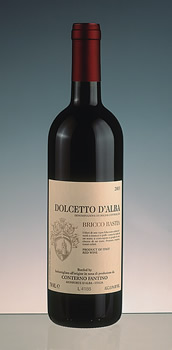
I have tried the Prunotto, Bricco Bastia by Conterno Fantino, Bricco Maiolica and the Elvio Cogno. They are good, good to the last drop.

Tags:

Labels: , , ,

Read the Full Story...

Tuesday, October 10, 2006

Tartufo 2006 – Truffle Season 2006 best in decades

For those lucky individuals who find themselves in Italy this Autumn, a special treat awaits. The warm weather lasted longer than usual creating intense changes in temperature and strong thunderstorms as the fall weather pattern attempted to take control. I can see in your minds,

“Thunderstorms, late warmth, extreme temperature changes, who cares, what does that have to do with our vacation?”

This unusual weather pattern has created the best Truffles in decades. The Truffles are both larger and more flavorful. The black Truffles from the hills of southern Italy, the red Truffles from the Marche and, of course, the coveted white truffles from Piemonte are all experiencing the best harvest season in decades. Simply this means that prices should remain stable or diminish while the quality will be significantly higher.

While generally reserved to the rich and powerful, Truffles have been part of the regional recipes for special occasions. The Truffle was widely used during the Roman Empire and in the early 1800s also appeared in southeastern France. There are 10 types of Truffles in Italy. Seven are considered edible. The remaining three branches may not be considered food quality but they do not cause serious illness or death. The White Truffle from Piemonte is considered the top, while the “Pregiato White” or “Rossita” from Central Italy is also very good. The Black Truffle from southern Italy is the misunderstood child in the family. It is of excellent quality, perfume and taste but is not recognized like its northern brothers.

Truffles are the extreme example of price, supply and demand. Truffles are desired worldwide and the supply is very limited both in geographical region and climatic events. The prices can be several thousand Euro for ¼ lb. and 30 Euro for a few shaves on top of a Risotto! Attempts to farm Truffles have been attempted and failed. Truffles are a freak of nature, temperature, rain and lightning strikes are accepted as the conditions necessary to initiate the formation of this root.

To find the answer to the Truffles desirability we must look at the chemical composition of the root. The perfume or odor of the Truffle escapes the range of scents humans are able to detect. This is why dogs and pigs are trained and used to find truffles. When uncovered the portion of the scent humans are able to detect can be considered pungent but most will soon find themselves drawn to the Truffle. Most of the Truffle’s molecules go undetected by the human olfactory receptors arriving directly to the subconscious sensors. As the body reacts to the molecules the chemicals are released. The chemical reaction produced by the Truffle is the same as having a sexual orgasm. The result is a feeling of satisfaction and relaxation. Truffles are the ultimate aphrodisiac. They do not facilitate a desire that could remain unsatisfied; they go right to the ultimate objective!

This is the period of the Truffle fairs. The most antique Fiera del Tartufo, in Alba, runs through the end of November. The “Mostra Mercato Nazionale del Tartufo” in Fabro, Marche, will be open from the 10-12th of November. If you are in Italy, providence is your ally. This may be the best year for Tartufo in your lifetime!

Tags:

Labels: , ,

Read the Full Story...

Tuesday, June 20, 2006

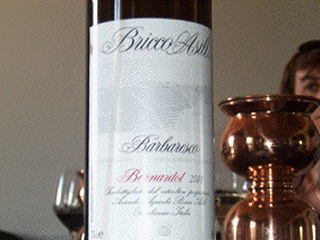
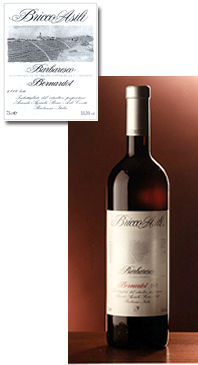
Bricco Asili Barbaresco Bernardot 2001 – A perfect wine for a savory meal


Bricco Asili Barbaresco Bernardot 2001, owned by the Ceretto group, is a great wine. To understand why this wine is perfect for wild game, strong aged cheeses and savory red meats I want to take you through our experience. Bricco Asili Bernardot is a new wine for us although we were fairly confident that it would be a good choice because it is part of the Ceretto family and a Barbaresco which is one of our favorite wines.

Rarely do we wait for a red wine to decant properly before tasting it and this time was no different. About 5 minutes after popping the cork both Raffaella and I had a half glass in hand. We sniffed and sipped. Immediately we picked up a taste of mature fruit, probably dried prunes, and a bit of tannins. This wine needed to breathe.

We set the glasses aside and chatted about the preparation of the Pheasant. About ½ hour later, as Raffaella began cooking dinner, we sipped a bit more on our half-filled glasses. The mature fruit taste had become dried flowers. We thought and the first thing that came to mind was Chamomile, rather pronounced but not dominating. The tannins had subsided a bit and an aftertaste of citrus became evident. At this point we were somewhat concerned about our choice of wine for dinner and in unison commented that the Ceretto Monsordo we had a few night earlier was a better wine.

Raffaella placed the Pheasant on the table and we sat down to dinner. I filled both our glasses. The Pheasant was lovely, savory, not dry and the sauce was a delicate balance to the wild fowl. Another sip of wine, I thought, “wow the wine is good.”

I looked at Raffaella and could see that she was thinking the same as she quickly took another sip as if to confirm what her mouth was telling her. Another bite, another sip of wine and our discussion about the wine swung into full force. The Pheasant was marvelous but we were complete taken by the transformation of this wine. Each sip completely cleaned the palate, accentuating the flavor of the Pheasant as if each bite were the first. By this time we were both in agreement that the Monsordo would not have been a good match for the wild fowl and how wrong we had been with our initial considerations of this wine.

By the time we had finished dinner the wine had mellowed considerably. A slight hint of tannins and while the Chamomile was still the primary flavor it no longer was as evident. Interestingly as we continued to sip our wine after dinner, each sip brought back the sensations of the Pheasant and the Bay leaves. It was as if our dinner continued, without the calories or the sensation of eating too much.

Our experience is a testimony to the importance of choosing the right wine to accompany dinner. I would not offer this wine for before dinner drinks but this is a great wine, perfect for a hearty or savory meal.

Grape: Nebbiolo.

Color: A brilliant ruby color, with orange highlights in the fingernails

Bouquet: Rich and complex, ripe fruit and liquorices, balsamic and a finish of delicate oak.

Flavor: Earthy, tending toward dried flowers with a hint of Chamomile.

Alcohol Content: 14 %

Serving Temperature: 18-20 c.

Decanting: 1 hour.

Pouring: No special conditions.

Glass: use a clear wide bellied, deep, stemmed glass. This will allow the wine to continue to breath and will release its aroma as you move the glass toward your mouth. This will allow the wine to continue to decant.

Tags:

Labels: , , ,

Read the Full Story...

Saturday, June 17, 2006

Monsordo Bernardina Ceretto 2000 – Designer Red Wine

Monsordo Bernardina 2000 by Ceretto, an Italian red wine with an excellent price/quality relationship. This designer wine is part of an innovative project Ceretto began in 1987. Very similar to the concept of the Meritage wines initiated in the US, Ceretto believed it was possible to introduce new vines even into the Alba area and create a quality wine not based on percentages of grapes but on the mixed final product. Monsordo is an Italian Meritage of excellent quality.

This wine is a break from Italian tradition for quality wines. The process is quite interesting. Four different grapes are grown in the same vineyard, the traditional Nebbiolo and the new entries Pinot Nero, Cabernet Sauvignon and Merlot. The 4 varieties are fermented separately. A common methodology is pursued; that is, a thermo-controlled fermentation in stainless steel tanks for 12-15 days, while transfers and punch-downs are taking place.

After the draw-off, the wines are allowed to breathe for 2-3 days. Then the wines are transferred to small barrels, where fermentation begins. Once this important bio-chemical transformation is complete, the blending takes place. The individual wines are then tasted and mixed to find the right balance. The wine never has the same percentages; rather, the proportions of each wine vary from year to year, depending on each grape's character in a given vintage. Then 16-18 months of refinement are required before the wine is bottled.

Raffaella prepares Gnocchi every week and this was Gnocchi day. Sausage, fresh peas in a heavy cream sauce a balanced but structured wine would be appropriate. We had been looking forward to trying this new Ceretto wine from Piemonte and this was a great opportunity. Raffaella was cutting the Gnocchi into small pieces with a pastry knife as I popped the cork. I smelled the cork quickly and brought it to her. She interrupted her preparation briefly, took a deep sniff and her eyes lit up. Raffaella’s reaction is kind of a dynamic wine spectator scale. The more excitement in her eyes the better the wine. If someone were to witness us during this process they would surely think we were trying to block some type of nosebleed with the cork.

Structured red wines require a bit of time to breathe, losing a bit of the bite from the tannins and balancing the flavors. Rarely do we allow the wine sufficient time before our first taste. This time was no different. Two glasses poured as the toc toc toc of the gnocchi being drained in the ladle signals time for dinner. A quick sip, a moment to reflect, and yes we have another winner. Monsordo Bernardina by Ceretto will be a perfect compliment to our dinner!

However unusual the process, the wine is great. It was encompassing, slightly tannic, and structured. The Nebbiolo and Cabernet Sauvignon balanced perfectly for a full-bodied, encompassing, velvety and soft sensation. Monsordo Ceretto 2000 can be found between 30 and 45$ depending on the location. Although it is a bit higher in price than what we would consider an everyday wine, it does merit regular consumption and should be a part of every cellar.

Grape: Nebbiolo, Cabernet Sauvignon, Merlot and Pinot Nero.

Color: A deep ruby color, with orange highlights in the fingernails

Bouquet: rich and complex, clear notes of rose and violet, and a strong finish of spices and vanilla.

Flavor: Mature fruit, peaches, cherries, prunes, raspberries, juniper with hints of orange blossom transforming into a finish with a distinct flavor of leather.

Alcohol Content: 13.5 %

Serving Temperature: 18-20 c.

Decanting: ½ hour.

Pouring: No special conditions.

Glass: use a clear wide bellied, deep, stemmed glass. This will allow the wine to continue to breath and will release its aroma as you move the glass toward your mouth. This will allow the wine to continue to decant.

Tags:

Labels: , , , , ,

Read the Full Story...

Wednesday, May 24, 2006

Barolo – Bricco Rocche Brunate 1997

The mind is a tremendous and powerful organ. It helps us adapt to our current environment and to be find wellbeing. We feel the warmth of a hot tub, and then relax as we become accustomed the heat. A quick splash in the cold pool our senses are heightened, the adrenalin rushes throughout our body. We are awake and attentive, refreshed and ready to take on the world.

It has been awhile since we dipped into our high-end portion of the cellar. Normally we save these wines to share with friends or very special occasions but the desire struck and we succumbed to the temptation. This particular bottle was purchased several years ago as one of the wine stores was liquidating most of its specialty wines. Although we did not know this wine from personal experience it is part of the Ceretto family.

I opened the bottle and smelled the long and subtle cork. A scent of mature fruit, round but not sweet. Our anticipation rose. Raffaella used a cup for the Risotto al Barolo con Salsiccia that we had planned for the evening. As she sprinkled the wine into the hot onions and sausage sautéing in the pan its bouquet filled the kitchen. No longer could we resist and I poured a glass although it had only been about 15 minutes since we opened it. It was smooth, still with a hint of tannins that immediately sensitized the middle of my tongue. I exclaimed, “ma quant’e’ buono!”

Raffaella, smiling with a twinkle in her eye, “fruit peaches?”

I thought for a minute and took another sip, “Apricot jam, no …, September plums.”

Raffaella was not convinced, “maybe, but there is something more,” another sip and more thought.

“Bing cherry jam,” I replied.

That was it, then chocolate, maybe some ginger, and coffee.

Just as the cold pool pumps the adrenalin and makes you more aware of your surroundings, our taste buds had just received a dip in ice cold water. This wine quickly reminded us of the difference between a 50 and 150$ bottle of wine. Not that we drink junk, but for those who love wine there is a difference, and this wine exhibits all of the qualities of a world class wine.

Our dinner was planned around the wine, so our simple and savory risotto was perfect but this wine can accompany red meats, roasts, wild game, mushrooms, tartufo and aged cheeses. We also would drink this wine before, during and after dinner but it may have a little too much personality for some before dinner.

This is an expensive wine and should be attempted only by the most dedicated winos. I would suggest you drink this at home instead of at the restaurant, the money you save from the restaurant will pay for the wine and you can enjoy it at your own pace.

Technical data:

Grape: 100% Nebbiolo Michet and Lampia.
Color: Brilliant, intense, Ruby red. Over the years the wine will pick up orange highlights.

Bouquet: Pronounced character, sensual, engulfing with hints of violets and cherry blossoms.

Flavor: Apricots, September plums, intense flavor of mature Bing cherry liquor, with a finish of vanilla, chocolate, and mint.

Alcohol: 14.5%

Aging: Minimum 8 years, any earlier would be a crime. This wine can easily age 15-20 years.

Serving Temperature: 18 degrees c.

Decanting: At least one hour, preferably with a separate decanter and not just the open bottle.

Glass: Wide bodied and wide mouthed, a balloon is usually a great choice for this wine.

Tags:

Labels: , , , ,

Read the Full Story...