Tuesday, March 04, 2008

Happy International Women’s Day – A Mimosa for all Women

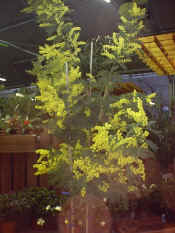
March 8th is International Women’s Day, or Festa della Donna. I have written about the sad events that lead to International Women’s Day. In Italy most men will present their female acquaintances and colleagues with a branch of yellow flowers from called Mimosa. So here, with best wishes, is my electronic Mimosa!


Labels: ,

Read the Full Story...

Saturday, August 18, 2007

Tortelli Cremaschi – Traditional Pasta of Ferragosto - Specialty of Crema

Holidays are often more associated with the foods prepared than the meaning of the holiday. Across Italy there are different traditions. When I first visited Crema Raffaella’s mother prepared their traditional dish. When thinking about the ingredients of Tortelli Cremaschi things do not seem to fit. Perhaps this unusual combination of flavors is what makes them so desirable. Tortelli Cremaschi are unusual not just for the ingredients but also for the time of year they are made. The temperature during the period of Ferragosto is pretty high. One would not think of a pasta dish during the dog days of summer.

If you have the opportunity to visit the hinterland Milanese during the month of August the local restaurants and agriturismo will offer a plate of Tortelli Cremaschi. The week of Ferragosto there are also Tortelli eating contests. The winner keeps bragging rights for the entire year. I have seen individuals knock down 2 to 3 hundred Tortelli in one sitting! Now that is an appetite. At one time Tortelli were prepared immediately before consuming. The trattoria would have “gossiping ladies” preparing Tortelli 24 hours a day. In Raffaella’s family the women would get together early in the morning and start preparing the Tortelli for the lunch meal. The younger females would assist for several years, carrying trays back and forth, before being allowed to fold the Tortelli.

Believe it or not there is a festival complete with association, historical information and website just about the Re Tortello.

Ingredients:

Ingredients for 6 people:

For the pasta:
2.2 lbs (1 Kg) Flour
2 cups (½ l) Warm Water
1 tsp (15 g) Salt

For the filling:
250 g. Biscotti Dark Amaretti
80 g. White raisins
80 g. Grated Grana Padano Cheese or Parmesan Cheese
25 g. Candied Cedro
¼ Nutmeg finely grated
1 Egg
1 cups Dry Marsala (not included in Raffaella’s Family Recipe)
5 g. Salt
1 Mostaccino (you can find this in Italian food stores)
15 g. Mints
Peel of 1 lemon finely grated (not included in Raffaella’s Family Recipe)
Breadcrumbs

For the final dish:
Pats of butter, grated Grana Padana or Parmesan cheese and sage.

Preparation:

Grind the Amaretti, cheese, mints and the Mostaccino.
Mince the Cedro and the raisins.
Grind the nutmeg.

Mix together with the lemon peel, salt, the egg and the cup of Marsala. Continue to stir, adding breadcrumbs slowly, until the mix remains together and uniform. Let the filling sit for 24 hours (this was usually 6-12 hours when I saw them being made).

For the pasta:
Mix together the flour, salt and add the water. Work the pasta by hand until the dough is uniform, slick, and slightly elastic.

Roll the dough into thin sheets. The filling should be vaguely visible through the dough when sealed.

Cut the dough into circles or rectangles. Add just enough filling to the center of the rectangle to cover about ½ the pasta. Fold over and pinch the edge. Traditional Tortelli Cremaschi have a special folding technique. Using the thumb on one hand the index finger on the other, the border of the pasta is pinched. The resulting Tortello looks like a little sailboat. Place the Tortelli on a floured baking pan and cover with a towel until ready to cook.

Cook the Tortelli for about 8-10 minutes. Remove the cooked from the water with a ladle with holes or slats to drain the excess water.

Melt ¼ stick of butter with sage and simmer for 3-5 minutes.

Presentation:

The Tortelli must be very hot.

In a pasta bowl, place a couple of pats of butter. Add a layer of Tortelli and sprinkle with cheese. Add another pat of butter, another layer of Tortelli. Drizzle the melted butter-sage and finish with grated cheese. Each plate will be between 15 and 20 Tortelli.

Serve hot!

Tags:

Labels: , ,

Read the Full Story...

Tuesday, March 06, 2007

International day of the Woman 2007 – March 8

Gentlemen, do not forget that the 8th of March is the International day of the Woman, in Italy the Festa della Donna. The traditional gift is a branch of Mimosa. While this festivity is not celebrated in the US, it is extremely important across the world. If you are curious about this date and how it relates to our culture, I wrote about it last year. This is part of who we are and our women deserve both our admiration and respect.


To my wife, daughters and all the women in my life, Auguri!

Labels: ,

Read the Full Story...

Friday, January 19, 2007

Frittelle di Carnevale – Carnival Fried Pastry Treats

Traveling through Italy in the months of January and February Carnival sweets appear in most local shops and bars. Many are similar, fried dough with a hint of grappa, apples and or lemon. They are a bit greasy and covered with powdered sugar. I would suggest using a napkin as a makeshift bib before biting into one of these babies otherwise all will know about your sweet discretion. Without a doubt they represent Carnival. They are fun, tasty sweet and just the sight invokes thoughts of dinners, costumes and elaborate parties.


Carnival is a holiday for kids of all ages, perhaps this is the reason I enjoy it so much. It may be the thoughts of my girls begging to stop and get a thick hot chocolate with these fried pastries on the way to school that makes me stop and enjoy this tradition every year. It may be that they are just sweet enough or the fun sound they make as they crunch under your teeth. It may even be the contortions necessary to avoid being covered with powdered sugar but whatever the reason the sweets of Carnival are a must during any visit in this period.

Ingredients:

3 cups all-purpose Flour
3 Eggs
1 cup warm Milk
6 tbsp Sugar
½ tsp Vanilla
4 oz Raisins
1 package (8 g) active dry Yeast
Olive Oil to fry with
2 Apples grated
1 tbsp grated Lemon peel
a pinch of salt
1/2 cup of Grappa

Preparation:

Place the raisins in a bowl and fill with water. Let the raisins soak for 15 minutes and then drain.

Dissolve the yeast in the flour. Let the mixture rest for about 10 minutes.

Place the flour, salt, and sugar in large mixing bowl. Add the eggs, vanilla, grated lemon peel, grated apples, yeast-milk and grappa. Stir the mixture together well with a wooden spoon.

The dough will be elastic and a bit sticky. Knead in the raisins.

Cover with plastic wrap or a damp towel and let the dough rise for 30-45 minutes.

Over medium low heat bring the oil to temperature in a large skillet, Dutch oven, or fryer.

On a lightly floured surface, roll the dough into a rectangle about ¼ to ½ inch thick. With a pizza knife cut the dough into diamonds.

Fry until golden on each side, drain on a wire rack or absorbent paper. Place in a serving dish and cover with powdered sugar.


Cakes Available online


Tags:

Labels: , , , ,

Read the Full Story...

Wednesday, January 17, 2007

Italian Carnival Traditions - Smacafam – Kill the Hunger!

While many Italian Carnival Traditions make mock versions of traditional dishes, just as the costumes transform a normally quiet individual into a Don Giovanni, in Trentino a cake is made with a local pork sausage, pancetta and lard. The name, in local dialect, means Hunger Killer! The origins of the savory bread cake are not apparent most surely this is an antique recipe. Most scholars agree that the recipe dates well into the period of the Roman Empire. The first mention is in a cookbook written in the III century.

Trentino is located in the Alps. During the winter months it is cold, really cold and many of the locals would spend extended periods of time away from the shelter of the local town. A cake like this would be highly efficient when, carrying around a lot weight or bulky materials in the mountain passes would not have been the most intelligent of choices.

No matter where or when this combination of savory flavors and consistency was first put together it is a fantastic dish. Some recipes are timeless and reach across culinary boundaries like the Casatiello. I was even amazed to find that every American Italian Chef who has published a book or has a show, including the Food Network, presents his/her own version of this traditional Carnival specialty. This is unusual because not many dishes from Trentino make into internationally known cookbooks. Attention however, many of these recipes talk about Italian Sausage. In the US Italian Sausage is not really Italian. It is southern Italian and does not have Parmesan or Stracchino cheese and includes Fennel and other southern cooking herbs. The closest commercial product to the Lucanica or other Northern Italian sausages is Bratwurst. While Bratwurst does not use Parmesan cheese it does use nutmeg, cloves, and pepper.

An additional note is that some “famous” recipes use a mix of buckwheat and flour instead of simple buckwheat and milk instead of meat or chicken broth. Some say these differences are a sacrilege others believe this is the way it has always been. The choice is yours.

Ingredients:

¼ onion minced
2 ¼ cups (300 g) Buckwheat Flour (some recipes use 100 g buckwheat 200 g all-purpose)
2 (4 oz) Lucanica (Bratwurst or Northern Italian Sausage)
2 slices (1 oz) (thick cut into pieces) Lard, Pancetta or Bacon
2 ¼ cups (500 ml) cold Meat or Chicken Broth (some recipes use milk instead of Broth)
3 tbsp Olive Oil

Preparation:

Sift together the flour and salt into a large mixing bowl.

Preheat the oven to 375 degrees. Grease a large baking pan with Olive Oil.

In a skillet, place the Olive Oil, minced onions and lard (or pancetta, bacon). Cook over low heat for 4 minutes until the onion is translucent. Remove from heat and allow the mixture to cool completely.

While stirring the flour slowly pour in the broth. Mix in the onion-lard mixture and pour into the baking dish.

Remove the casing from the sausage and cut into disks. Distribute the disks evenly across the top of the dough.

Place in the oven and cook the salted cake for 40 minutes.

Remove and allow to cool before serving.

Tags:

Labels: , , , , , ,

Read the Full Story...

Tuesday, January 16, 2007

Italian Carnival Sweet Treats - Tortelli di Milano

Do not let the name fool you. Tortelli di Milano, “Tortei de Carnevaa a la Milanese” in the dialect from Milan, are not your pasta tortelli filled with meat or cheese. They are fried sweet dough, similar to doughnuts, covered with sugar and cinnamon. Many Italian Carnival holiday traditions include a sweet version of an everyday dish as if to imitate the concept of Carnival where things are never what they seem to be. These bite size delights appear in the middle of January and are gone by the end of February. They are perfect for mid morning or early afternoon snacks. I first experienced these desserts on a cold January evening in Milan while waiting for the tram after a long day at the office.

The air was cold, the wind strong and the fog had established its control for the night. That wet cold penetrates your bones no matter how many layers of clothes and sweaters you are wearing. While others were already at home getting ready to sit at the dinner table I was, as usual, waiting for the first leg of my 1 ½ hour trip home. Fortunately the tram stop was right in front of a bar, not an unusual occasion considering the number of bars in Milan. Before catching the tram I would drink a “China Calda”, a steaming hot orange flavored liquor. I walked into the bar, greeted my good friend behind the counter, and saw a tray of these puffs with cinnamon and sugar.

I decided it was time to change my usual routine. I ordered a hot chocolate, thick and gooey steaming hot chocolate and a couple of the pastries. They were sweet, soft, and the cinnamon created a beautiful sensation of flavors. Chocolate and spices is a marvelous combination. I completed the long trip home, still warm inside and decided this was a new addition to my favorite traditions. Just as quickly as they had arrived on the scene they disappeared a couple of days after “Giovedi Grasso” and China Calda returned to its previous place as before. Without a doubt Carnival is one of my favorite holidays and I look forward to those cold days when the Tortelli di Milano make their appearance in the bars and pastry shops.

Ingredients:

1 ¼ (150 g) All-Purpose Flour
½ stick (50 g) Butter
¼ cups (50 g) Sugar
2 ¼ cups (500 ml) Milk
4 Eggs
2 tsp (12 g) Double Acting Baking Powder
1 Lemon Peel
½ tsp Vanilla
1 tbsp Rum
Olive Oil to fry with (or preferred frying oil)
Powdered Sugar

Preparation:

In a large pot, mix together the sugar, vanilla, milk, 2 1/4 cups (500 ml) of water, the butter cut into pieces, the peel of 1 lemon.

Bring the mixture to a boil.

In a separate bowl mix the baking powder and flour.

Remove from the heat and remove the Lemon Peel. Add the flour mixture to the liquid stirring briskly. Place the pot on the heat again and cook for 10 minutes continually stirring. The sough will separate from the sides of the pot, similar to the procedure for Bigne. Remove from heat and allow the dough to cool for about 5 minutes. Add the whole eggs, one a time, working with your hands if necessary. Add the Rum. Set aside.

Heat the frying oil in a heavy skillet or deep fryer. Test the oil temperature by placing a small amount of dough and watching it fry. The oil should not smoke and the dough should take on a golden color.

Use a tablespoon to create small balls of dough. Add them directly to the oil. Cook on both sides until golden. Remove from the oil and allow the Tortelli to drain on a wire rack. Serve hot with powdered sugar and cinnamon.


Cakes Available online


Tags:

Labels: , , , , , , , ,

Read the Full Story...

Monday, January 15, 2007

Cicerchiata – Italian Carnival Treats from Abruzzo

Cicerchie are small beans. They are an integral part of traditional recipes of Abruzzo however, they are becoming harder and harder to find. Only a few local farms in Abruzzo grow them, as the larger producers prefer the Ceci. Abruzzese traditions keep this ingredient of the comfort food alive. Throughout the year some pastry shops will make this traditional sweet of Carnival but in the month of January just about every family and restaurant will have a plate of Cicerchiata sitting around, tempting you every moment. These pastries are not beans instead they are a fried sweet bread about the size of small meatballs and glued together with oozing honey and candied fruit.

Most likely you will not find them elsewhere in Italy so a trip to this beautiful region is most likely the only way to try the original recipe. Some great wines to accompany this plate of gluttonous pleasure are Muffato della Sala, Verdicchio, and Falanghina. Every year during Carnival the town of Massa Lubrense, near Termini, holds the "Sagra delle Cicerchie".

Ingredients for the Cicerchie:
2 cups (300 g) All-purpose Flour
1/4 stick (30 g) Butter
4 tbsp (30 g) Sugar
2 Eggs
¾ cups Dry White Wine
Olive Oil for Frying

Ingredients for the soft Brittle:

120 g Honey
120 g Sugar
Minced candied fruit.

Preparation:

Mix together the ingredients for the Cicerchie. The dough should be soft but not sticky. Cut the dough into four pieces. Roll each piece into a stick the size of a grissino. Cut the stick into equal parts (see the preparation of Gnocchi). Continue with the other 3 sticks.

Pour enough Olive Oil to create a base of about 1 inch of oil. Bring to frying temperature. Do not overheat. To check the temperature, fry one Cicerchie. Once at temperature fry the amount of one stick at a time and drain on a wire rack with paper underneath.

Mix the Sugar and Honey together in a large bowl. Add the Cicerchie and minced candied fruit and spread on a baking sheet covered with wax paper or put into form on a plate and allow the Cicerchie to cool to room temperature.


Cakes Available online


Tags:

Labels: , , , , ,

Read the Full Story...

Saturday, January 13, 2007

Italian Carnival Traditions - Mini Krapfen with Cream Filling

Krapfen, what is a Krapfen? For those in the US, a Krapfen is a jelly or cream filled doughnut. For those from Vienna it is a traditional dessert and in Milan it is an occasional substitute for the cornetto with cappuccino for breakfast but along the border between Italy and Austria the Krapfen is Carnival. Carnival traditions are regional, they maintain local customs and represent regional culture. These Carnival treats require more time than Apple Fritters but are greatly appreciated. They can be found in most bars and pastry shops in northern Italy but for a real treat try making them at home and consuming while still warm. Local tradition fills the Krapfen with Crema Pasticerra other regions will use fruit jams or liquored fruits.

A clean crisp white wine such as a Pinot Grigio or Prosecco are my favorite wines for these little delights.

Ingredients:

Crema Pasticcera for the filling
3 ¾ cups (500 g) all-purpose flour
¼ cup warm Water
1 cup warm Milk
1 tbsp Sugar
2 packages (14 g) active dry yeast
1 stick (110 g) softened butter
½ tsp salt
½ tsp vanilla
Peel of 1 Lemon
Powdered sugar

Preparation:

Mix the sugar in the warm water. Dissolve the yeast in water-sugar. Let the yeast sit for 5 minutes.

In a small bowl mix together the flour and yeast-water. Cover with a damp towel and let the dough rest for 30 minutes.

Place the remaining dry ingredients in a large bowl. Add the eggs, milk, softened butter, vanilla and grated peel of 1 lemon. Mix together thoroughly. Add the yeast ball and knead on a floured surface until the dough no longer sticks to the fingers. Kneading for this type of dough means throwing the dough onto a hard surface, folding back together and then throwing again.

Finally roll the dough into a ball and place in a large, buttered, bowl. Cut an X in the top of the dough ball and cover with a damp towel. Let the dough rise for 2 hours.

Roll the dough to a thickness of ½ inch. With a glass or round cutter cut 2 inch diameter disks. Sprinkle flour over a clean kitchen towel and cover the cut dough disks. Let the dough rise for 2 hours.

Frying: Using a skillet, Dutch oven or fryer heat a clean frying oil, I use Olive Oil but many prefer peanut or Sesame oil. Do not overheat this will cause the Krapfen to absorb more oil. Place the dough disks in the hot oil. A normal skillet will take about 6 Krapfen at a time. Let the dough cook until golden brown. Flip the dough and let cook until golden. Remove and allow the Krapfen to drain on a wire rack for at least 2 minutes.

Once the Krapfen is cool enough to pick up with a bare hand cut the Krapfen in half like a hamburger bun. Fill the center with Crema Pasticcera and close. For the more adventurous, fill a cake decorator’s icing bag with Crema Pasticcera. Choose a large nipple (about the size of a woman’s pinky) and squirt the Crema Pasticcera into the center of the Krapfen.


Cakes Available online


Tags:


Labels: , , , , ,

Read the Full Story...

Friday, January 12, 2007

Italian Carnival Treats - Frittelle di Mele – Apple Fritters

Italian Holidays bring with them specialty dishes and desserts. These treats are made only during that particular celebration. Italian recipes are also very local. They are based on ingredients that grow locally and are abundant during the season. Carnival in Trentino-Alto Adige has given us a great treat, the Apple Fritter, in Italian shops it is called Frittelle di Mele. Today, during Carnival, you will find Apple Fritters just about anywhere in Northern Italy and from Bergamo to Trieste a visit to someone’s home will most probably lead to an unscheduled feast of these pastries.

They look like flat doughnuts and most likely are Austrian in origin because the pastella, the dough used to cover the apple slice, is the same used for many types of Krafen. Once dipped in the slightly sweet dough they are fried in Olive Oil. Naturally sweet and powdered with confectioners sugar these pastries are a favorite kids for midmorning and afternoon snacks.

Remember that with recipes that depend on simple and balanced flavors instead of sugar you need to find the best quality ingredients available. Try a farmer’s market for the apples, it may be farther away than your local supermarket but the end result will be significantly better. When you make these delights, try them with an Alto Adige Moscato Giallo.

Ingredients for 4 people:

6 Granny or 4 Golden Apples
1 ¾ cups (200 g) all-purpose Flour, sifted
2 Eggs
1 package (7 g) Active Dry Yeast
Peel of 1 lemon grated
½ cup (130 ml) warm Milk
½ stick (50 g) unsalted melted Butter
5 tbsp sugar or 1 ½ oz. Grappa (if using Grappa eliminate adding sugar to the flour)
Pinch of salt

Olive Oil to fry the Fritters
Cinnamon
Powdered Sugar

Preparation:

Dissolve the yeast in the warm milk. Let the yeast activate for 5 minutes.

Sift together the salt, flour and sugar (if not using Grapa).

In a mixing bowl, mix together the milk-yeast, lemon peel, grappa (if using), melted butter, and eggs. While it is not necessary to beat the eggs they should be well broken.

Begin adding the flour mixture to the liquids, stirring with a large spoon. Continue adding flour until the mixture is firm but could not be worked by hand. Depending on the humidity this may occur before or after the amount of flour indicated has been incorporated. Adjust with more or less flour until the consistency is that of a liquid paste.

Cover with plastic wrap or a damp towel and let the dough sit for one hour.

Once the hour has passed. Place Olive Oil in a heavy skillet or Dutch oven over medium to medium-low heat. Do not overheat the oil. Olive Oil has a low burning temperature. To test the temperature, place a small amount of dough in the hot oil. The dough should turn golden within a few minutes. If the dough turns dark brown reduce the heat.

While the oil is heating, core and peel the apples. Cut into slices about ½ to ¾ inch thick. Immerse the apple slices the dough and turn over to coat evenly. Be careful not to break the apple ring. With a fork, place the fritter in the hot oil. You can place 5 or 6 fritters in the oil at one time. Allow them to cook until golden with just a hint of brown. Turn the fritters over and allow sufficient time for the fritters to cook.

Remove from the oil and drain on a metal rack. Just before the next batch is ready move the drained fritters to a plate, sprinkle with powdered sugar or cinnamon or both.

Note: The oil temperature will allow the discerning cook to change the consistency of the treat. With a higher temperature the apple will not soften as much while the dough is cooking and will maintain some of the citrus bite while a lower temperature will cook the apple more caramelizing the natural sugars in the apple making the fritter sweeter.

Tags:

Labels: , , , , ,

Read the Full Story...

Wednesday, January 10, 2007

Carnevale Italiano – The History of Italian Carnival

There are numerous versions regarding the history of the festivities of Carnival or Carnevale Italiano. Most begin in the 1400s but the most reliable seems to tie the Christian celebration of Carnival with the Roman Empire’s pagan celebration of the Saturnali. The Saturnali are the celebrations from December to March of the Roman version of the Greek God Zeus, or father of the gods. The first real information is found in 1268 where the first costumes, known as Maschere, were prohibited in the casinos of Venice. Venice is seems to have exalted the festivities and also to have been the place where the Catholic Church did its best to eliminate it.

In the early 1300s masks were prohibited in church and when large groups would assemble in the streets. In 1487 the youth of Venice rebelled and created the group of the socks. The members were primarily young adults from wealthy noble families who would parade around town in costume, have a great time and distribute food to the poor.

In Medieval the use of masks, costumes, parades and celebrations took root in the cities across Europe. They were seen as a way to equalize the people, eliminating connotations of rich and poor, educated and ignorant. Carnival was a time for the people to unite and to have fun before the 40 days of Lent, which meant penitence, fasting and prayer. During this period the streets would fill with fire eaters, parades, puppet shows, dancers, coriandoli and Stelle Filanti (rolls of colored paper the open when thrown like falling stars). It was also a time when the people from the various quarters of the city would go into neighboring sectors and throw flour on the people, carry clubs of straw to imitate battles and generally create a great ruckus.

In the 1600s the Church struck back supporting a law prohibiting the use of masks all year long except in official occasions. The Penalties for transgression were severe. But again the people fought back and in 1776 a populous movement was able get the “Family Honor” act that required women to wear masks and full traditional epic costumes to the theater. Again the anti-fun club significantly hindered the celebrations of Carnival when the Austrian Empire took over Italy in the XVIII century. The Austrians did not understand the importance of the theater, the parades, costumes and the masks. They prohibited everything and it took another 200 years for Carnival to return. Unfortunately the theatrical folkloristic representations, costumes and stories did not recover. Today only the parades, sometimes kids with flour running the streets and masks during the last week of Carnival survived.

Today parades represent current political, religious and cultural themes. Masks represent celebrities but in Venice and Viareggio you can still find the traditional Carnival.

Tags:

Labels: , , , ,

Read the Full Story...