Italian Carnival Festivities, Costumes, and History
written by David Anderson limited rights reserved ViewItaly.blogspot.com
The Apostle Paul advised, "When I was a child, I spake as a child, I understood as a child, I thought as a child: but when I became a man, I put away childish things" (1 Corinthians 13:11). I admit this is not me, I guess I am not a good Christian. I love life, our culture, our history and learning about the things that make us who we are! As I grow older the manly things seem less and less important. The grey hairs on my temples and in my beard must not be a sign of wisdom instead I embrace the fleeting moment that is now.
 Carnival is not widely celebrated in the US. The transgression is limited to Mardi Gras in New Orleans, a beautiful city destroyed by Mother Nature and forgotten by many. Others are thinking about stocks, bonds, expanding corporate margins, reducing inventories and labor costs, and Return on Investment. I am thinking about costumes, parades, parties, scintillating conversation, dancing in the streets, eating sweets and pastries made just once a year and drinking Prosecco. The period of Carnival begins with the Epiphany on the 6th of January and lasts through the beginning of Lent, 40 days before Easter. The greatest parties and parades are either on Fat Tuesday, Mardi Gras, or Fat Thursday.
 Carnival is an antique festivity. As most of our contemporary holidays, the Story of Carnival predates the Roman Empire. It is a period of equalization and over the years has even been quite violent. Some of these traditions of Carnival remain part of the celebration today although they have been toned down a bit.
 Over the centuries theater characters, called costumes, were introduced. These personalities represent the basic characteristic of the period and the location in which it was created. Again most things, these characters also have a political meaning. The primary costumes are: Pulcinella (Naples), Pantalone (Venice), Balanzone (Bologna), Brighella (Bergamo), Arlecchino (Bergamo), Colombina (Venice), Mamuthones In Mamoiada (Sardegna), Beppe Nappa (Sicily), Meneghino (Milan), Gianduia (Torino) and Stenterello (Florence).
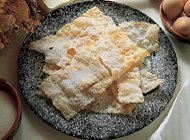 As all things Italian Carnival has its own food, prepared exclusively in this period. There are: Chiacchiere, Cicerchie, Frittelle di mele, Frittelle di Carnevale, Migliaccio, Mini krapfen alla crema, Nastri di Carnevale, Orruviolos, Smacafam, Tortelli di Carnevale alla milanese, and Zeppole. Each pastry or sweet represents the local culture and available ingredients. They are marvelous with local wines and grappa. When they appear Carnival in near. Their flavor is that of their land and they are favorites of children of all ages.
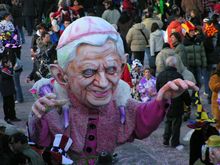
 Some cities have well known parades and parties. Carnival in Venice is a voyage to another time. All Italians, from across the world, follow the Carnival in Viareggio. They boast massive parades with floats, costumes from centuries past and parties where the participants can experience the life of nobility.
One of the thing I love about Carnival is the opportunity to be a kid, perhaps walking around with bags of flour or dressing in costume from the 1600s and participating in a night at the King’s court. No matter where you are Carnival can be fun, give in, leave behind the things that make you an adult and embrace your childish desires. Who knows, you may see the world in a different way.
Tags: Holiday Traditions Carnival Costumes Winter Vacation Parades Marti Gras Travel Italy
Labels: Carnevale, Holiday Traditions, Italian Holidays, Italian Recipes, Venice, Viareggio
posted by Travel Italy at 2:51 PM
|
4 comments