Castello di Compiano – Vacation at a Medieval Castle near Parma
written by David Anderson limited rights reserved ViewItaly.blogspot.com
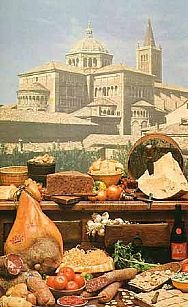
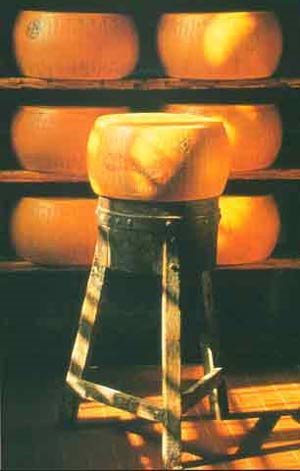
 In the hills surrounding Parma there are numerous castles. Many of these properties have been transformed into hotels while maintaining their aura of mystery. Parma is famous for its prosciutto and Parmesan cheese. These products alone are a great reason to spend a few days in the area. Parma is also a land of scenic views and Medieval towns. Castello di Compiano is the anchor of the town of Compiano, recently recognized as one of the Borghi piu’ Belli del Italia, the most beautiful towns of Italy.
 The town of Compiano develops inside the walls of the castle making this a perfect destination for a 3 or 4 day stay. Local shops, restaurants and products are all within walking distance of primary unit of the castle. Only a few areas have been dedicated to lodging. The major portion of the castle is a museum. Most of the rooms are on the upper floor or in the towers creating a suggestive atmosphere and beautiful views of the surrounding area. Rock walls and original fishbone wood floors take you back to the 1100s. The rooms are filled with antique furniture completing the experience.
 From the third floor rooms a turn around the corner takes you out onto the walkway of the upper fortifications. As you stroll the sounds of battles past whisper in your ears. The breeze carries scents of the surrounding forests and agricultural lands. Castello di Compiano takes you into the times of princes and kings, sumptuous banquets with extravagant festivities and armored knights riding powerful horses. The elevators and centralized heating, while masked, somehow seem a bit out of place but after a long day of activities are greatly appreciated.
 In the late summer, the swimming pool, located in the castle’s gardens, is a great way to cool off before visiting one of the trattoria. The local cuisine is heavily influenced by the bordering Emilia Romagna. Dried meats and Parmesan cheese as appetizers followed by fresh pasta and savory meats dominate the local tables. This is not a wine producing area but wines from Veneto and Tuscany are widely available as are some local farmer’s wines.
The beautiful medieval burgh, whose genuine structure may still be admired to this day, with its cobblestone streets and buildings bearing ancient friezes and sculpted architraves on the doorways. From the walls surrounding the picturesque medieval square you can admire a beautiful view on Isola's plain, across which the River Taro runs on its way down from Monte Penna.
 At the end of Via Duca degli Abruzzi stands the Porta delle Monache, for centuries the main entrance to the fortified burgh, while only the foundations of the towers which once guarded the burgh still stand. Compiano is a place of exceptional beauty that has remained untouched over its 400-year history.
Castello Compiano is located about 90 miles from Milan and 90 miles from Bologna. The closest airport is Genova.
Castello di Compiano Museo e Relais
Via Marco Rossi Sidoli, 15 43053 Compiano (Parma)
Tel. 0525.825541 - Fax. 0525.811106
Tags: Italian Vacations Castles Agriturismo Parma Travel Italy
Labels: Agriturismo, B and B, Castles, Hotels, Italian Vacations, Parma
posted by Travel Italy at 10:09 AM
|
0 comments